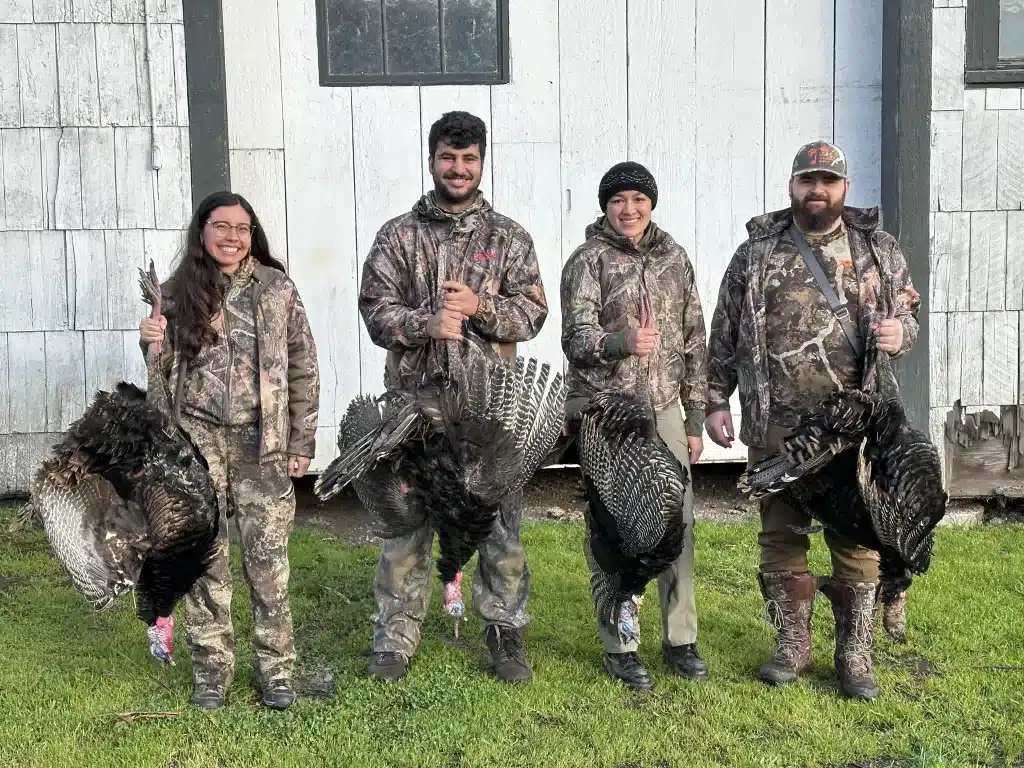
Spring turkey hunting is one of the most exciting outdoor adventures in California. For beginners, the thrill of hearing a gobbler respond to your call or seeing birds strut across a sunlit field is unforgettable. But success often comes down to preparation, understanding turkey behavior, and using the right gear and tactics.
If you’re new to turkey hunting in California—or just looking to improve your first season—this guide from Central Coast Outfitters will help you get started with confidence.
Why Spring is the Best Time to Hunt Turkeys in California
Spring is turkey breeding season, which means male turkeys (gobblers) are highly vocal and actively seeking hens. This behavior makes them more responsive to calling and movement during early morning and late afternoon hours—perfect for hunters.
Plus, California’s mild spring weather and diverse habitats—from oak woodlands to coastal valleys—create ideal conditions for a great hunt.
Know the Season Dates & Regulations
Before you head out, it’s important to understand the rules that govern spring turkey hunting in California:
-
Season Dates: Spring turkey season in California typically runs from late March through early May. Specific dates vary by year and region, so always check the current California Department of Fish and Wildlife (CDFW) regulations before planning your trip.
-
Licenses & Tags: You must have a valid California hunting license and Upland Game Bird Validation to hunt turkeys.
-
Bag Limits: In spring, the daily limit is usually one bearded turkey, with a season limit of three.
Following regulations keeps hunting ethical and helps preserve turkey populations for future seasons.
Choose the Right Gear for Beginners
Having appropriate gear can improve your turkey hunting experience—especially if you’re just getting started.
Camouflage Clothing
Turkeys have excellent eyesight, so wearing camo that blends into the environment (oaks, grasses, and brush) will help you remain unseen.
Turkey Calls
There are several types of turkey calls you can choose from:
-
Diaphragm Calls: Easy to use once mastered and great for soft yelps and clucks.
-
Box or Pot Calls: Excellent for beginners because they’re simple and loud.
-
Slate Calls: Provide a great variety, but take practice.
Start practicing at home before your hunt so your calls sound natural.
Shotguns & Chokes
Most beginners use a 12- or 20-gauge shotgun with a tight choke (like full or extra-full) and turkey loads. Always follow firearm safety rules.
Learn Basic Turkey Behavior
Understanding turkey habits will boost your confidence and success in the field:
-
Roosting at Dawn: Turkeys spend the night in tall trees and fly down at first light. This is a key time to intercept them.
-
Feeding Patterns: After leaving the roost, turkeys feed in fields, grasslands, or oak woodlands.
-
Breeding Activity: Gobblers call and strut as they seek hens. These behaviors are opportunities for hunters to use calling tactics effectively.
Watching turkeys during the early season can help you anticipate where they’re most likely to be during your hunt.
Scouting: Your Secret Weapon
Even beginner hunters will benefit from spending time scouting before hunting:
-
Look for Tracks & Droppings: These signs can reveal turkey travel routes.
-
Check Feeding Areas: Turkeys frequently move between roosts and feeding spots.
-
Glass or Use Binoculars: Spot groups early and note where gobblers strut or feed.
Scouting helps you choose better stand locations and increases your odds of success.
Calling Tactics That Work for Beginners
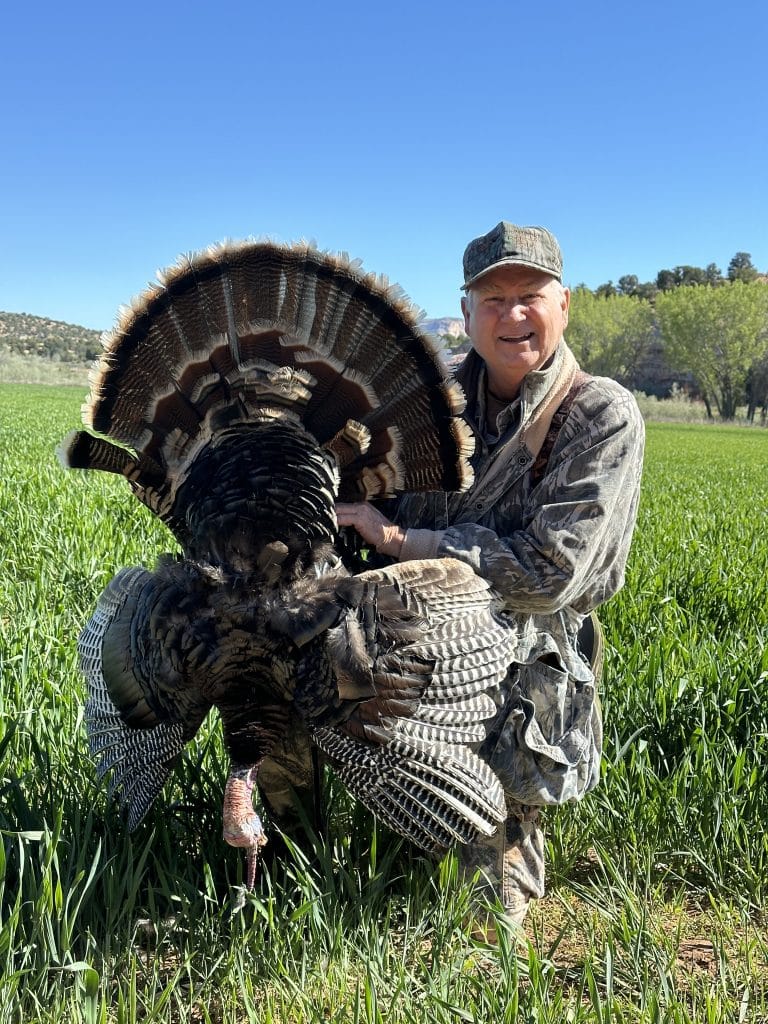
Calling is one of the most important skills in turkey hunting. Here are easy tactics to get started:
Soft Calls First
Start with gentle yelps or clucks to mimic hens. Loud or aggressive calls too early can scare turkeys off.
Match the Birds
If you hear gobbles, respond with calls that match their cadence and tone. Turkeys are more likely to come closer when they think another bird is communicating.
Patience is Key
Sometimes it takes a few minutes of silence after calling before a gobbler responds. Avoid over-calling—let the bird come to you.
Best Times of Day for Spring Turkey Hunting
While spring turkey hunting can be productive throughout the day, these windows are especially effective:
-
Early Morning: From first light to a few hours after sunrise.
-
Late Afternoon: A few hours before sunset, when birds return to feeding areas.
Set up early and be prepared to adapt as turkeys move and change their patterns throughout the season.
Safety & Hunting Ethics
For beginner hunters, safety should always be a priority:
-
Wear Blaze Orange: When moving or on public land.
-
Know Your Target: Identification is essential before taking a shot.
-
Respect Landowners: Always ask permission when hunting private property.
Ethical hunting ensures a positive experience and sustains healthy wildlife populations.
Make Your First Spring Turkey Hunt a Success
Spring turkey hunting in California is an incredibly rewarding experience—especially for beginners ready to learn, apply new skills, and enjoy the outdoors.
By understanding turkey behavior, using the right gear, practicing calling, and choosing prime times to hunt, you’ll set yourself up for a more successful season.
Ready to improve your turkey hunting skills? Central Coast Outfitters offers advice, local expertise, and guided options to help you make the most of your first hunt. Get in touch today and prepare for an unforgettable spring turkey adventure!