One of the most exciting parts of spring turkey hunting in California is hearing a gobbler answer your call. But successful calling isn’t just about making noise — it’s about using the right strategies, timing, and techniques to mimic natural turkey communication and draw birds in close.
Whether you’re a beginner learning your first yelps or an experienced hunter refining your technique, these proven calling strategies will help you connect with gobblers across California’s diverse landscapes.
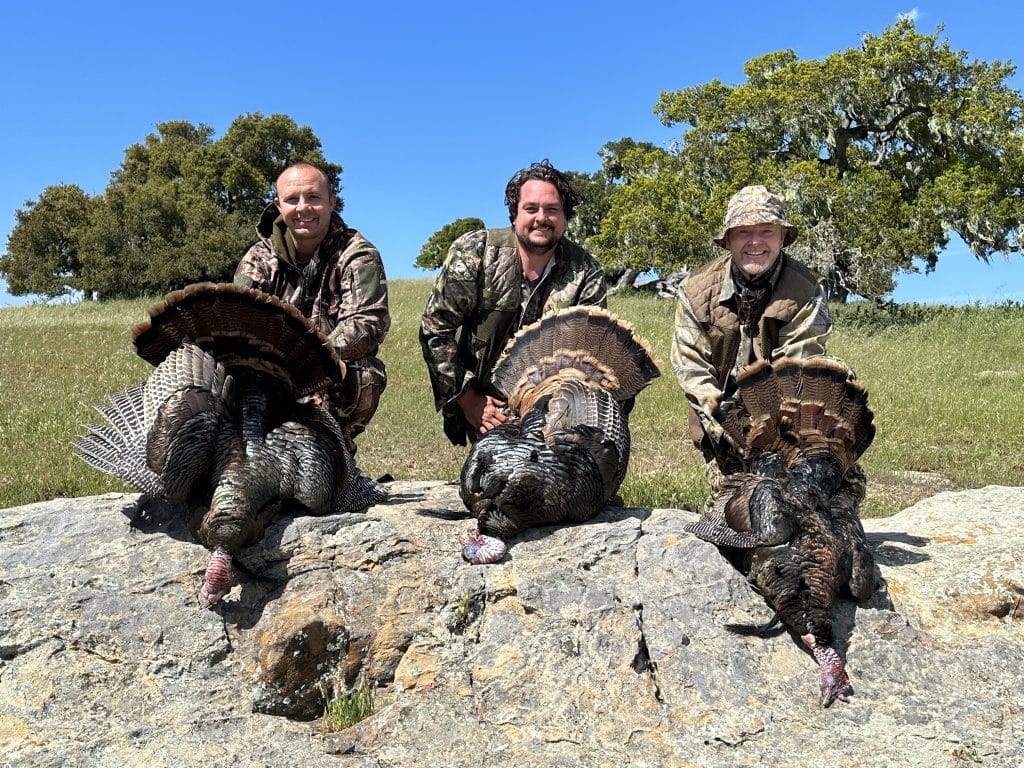
Why Calling Matters in Spring Turkey Hunting
During the spring breeding season, male turkeys (gobblers) are highly vocal. They use a complex mix of yelps, clucks, purrs, and gobbles to communicate with hens and assert dominance over other males. For hunters, mimicking these sounds effectively can make all the difference — turning silence into opportunity and bringing wary gobblers into shooting range.
Understanding Turkey Vocalizations
Before diving into calling strategies, it helps to know the most common turkey sounds:
-
Yelp: A basic call that mimics a hen’s communication and attracts gobblers.
-
Cluck: Short, sharp notes used to keep a gobbler’s attention.
-
Purr: Soft rolling sound that calms birds and keeps them close.
-
Cutting: Aggressive clucks are used to interrupt gobblers or simulate hen anger.
-
Gobble: The signature sound of the male — great for locating birds but not always necessary to imitate.
Understanding these calls helps you speak turkey more naturally and effectively in the field.
Essential Calling Strategies for Spring Turkey Hunts
Start Soft — Let Turkeys Come to You
When you set up, begin with soft yelps and clucks to imitate a quiet hen. Loud calls too early can scare birds away. Gentle calling signals a nearby hen and encourages curious gobblers to respond.
Pro Tip: Spend the first 10–15 minutes listening before calling. If you hear gobbles, match their cadence softly to build trust.
Match the Birds — Respond to What You Hear
Turkeys are unpredictable. Sometimes they respond best to gentle tones; other times they want more aggressive communication.
-
Hesitant Birds: Try softer purrs and short yelps.
-
Aggressive Birds: Use louder yelps or a few cuts to trigger a competitive response.
-
No Response: Pause for a few minutes — silence often makes gobblers curious and more likely to approach.
Audio Tip: Bring a set of different calls (diaphragm, pot, or slate) to vary your tone and pitch.
Timing Matters — Call at the Right Moments
The time of day and turkey behavior influence calling success:
-
Early Morning: Birds are most vocal right after roost. Begin with light calling as they descend from trees.
-
Mid-Morning Movement: As turkeys feed and move, softer calling interspersed with listening can tempt them to reveal their location.
-
Late Afternoon: Birds heading toward roost or feeding areas can be drawn in with patient calling paired with natural pauses.
Remember: Over-calling can shut down a hunt. Let your instincts — and what you hear — guide you.
Use Realistic Sequences — Make It Natural
Hear this sequence used often by successful hunters:
-
Soft Yelps (30 seconds): Simulates a hen contentedly talking.
-
Clucks & Purrs (15–20 seconds): Maintains turkey interest.
-
Quiet Pause (2–3 minutes): Mimics a hen listening or moving.
This combination keeps gobblers engaged and curious, increasing your chances of drawing them near.
Know When to Switch It Up
If calling fails to attract a response:
-
Change your location slightly: Gobblers might be nearby but out of earshot.
-
Switch call style: Try more aggressive calls or softer tones.
-
Remain still and listen: Sometimes the best call is silence.
Adaptability is key — turkeys don’t always follow a predictable pattern.
Make Calling Part of Your Scouting Routine
Before your hunt, use calls while scouting to:
-
Locate gobblers without alerting them to your main hunting spot.
-
Identify hot areas where turkeys respond quickly.
-
Understand bird behavior early in the season.
Scouting with calls helps you anticipate where birds will be during peak activity.
Calling Tools for Success
While technique matters most, having the right tools helps:
-
Diaphragm Calls: Great for soft, natural tones and close-range calling.
-
Pot/Box Calls: Easy to use and loud — ideal for covering open terrain.
-
Slate Calls: Versatile sound variations that mimic natural turkey communication.
Beginners should invest time practicing with a few call types to find what works for them.
Ethical Calling: Respect Wildlife & Other Hunters
While calling is an effective hunting tool, ethical practices ensure long-term sustainability:
-
Avoid excessive noise that disrupts other hunters’ setups.
-
Respect private property when practicing or hunting.
-
Pack out all gear and waste to preserve the landscape.
Responsible calling supports healthy turkey populations and a quality hunting experience for everyone.
Ready to Master Spring Turkey Calling?
Mastering calling strategies can turn your spring turkey hunt into a memorable success. By understanding turkey behavior, timing your calls, and using natural sequences, you’ll be better prepared to communicate with gobblers across California’s Central Coast.
For expert advice, guided turkey hunts, and local insights into calling tactics, Central Coast Outfitters is your trusted partner. Get ready for a season full of gobbles, excitement, and unforgettable outdoor moments!