Spring turkey hunting on California’s Central Coast is a bucket-list adventure for passionate hunters. With rolling oak woodlands, lush valleys, and mild coastal weather, the Central Coast offers excellent opportunities to pursue wild turkeys during their most active time of year. But to maximize your success, understanding when to hunt—which includes seasonal timing, daily patterns, and weather influences—is key.
Whether you’re a seasoned turkey hunter or preparing for your first spring hunt, this guide will help you pinpoint the best times to be in the field and improve your chances of harvesting a mature gobbler.
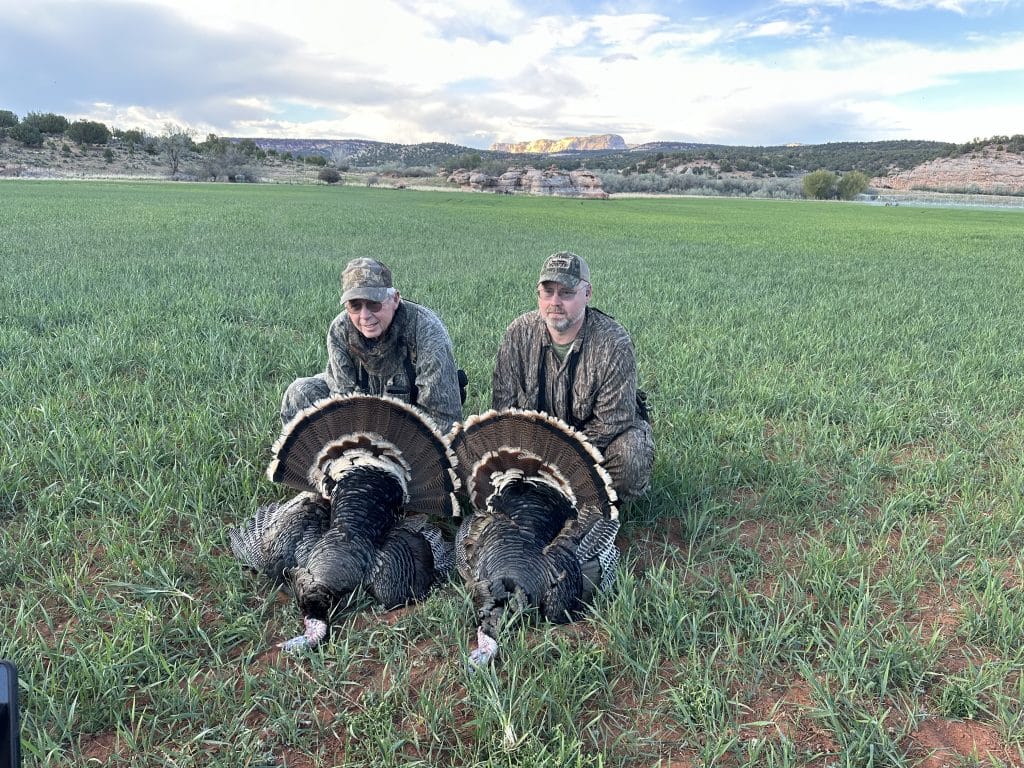
Why Timing Matters in Spring Turkey Hunting
Wild turkeys are highly attuned to seasonal and daily rhythms. In spring, male turkeys (gobblers) are focused on mating, making them more vocal and responsive to calls—but only at the right times of day. Pairing proper timing with effective scouting and calling increases your odds dramatically.
When Is Spring Turkey Season on the Central Coast?
The California Department of Fish and Wildlife (CDFW) typically sets spring turkey season dates that cover the peak of turkey breeding activity. For the Central Coast, the general spring season usually runs from late March through early May. There are often additional segments like youth hunts and archery-only opportunities before or after the main season.
These date ranges capture the most active and vocal periods for turkeys—prime conditions for calling them in close. Always check the most recent CDFW regulations before heading out.
Best Times of Day to Hunt Turkeys
While the season dates matter, success in turkey hunting often comes down to choosing the right time of day. Here’s how it breaks down:
Dawn — Prime Time for Gobblers
Early morning is widely regarded as the best time to hunt turkeys. As the sun rises, turkeys leave their roosts to feed, stretch, and communicate. Gobblers are especially vocal at first light, giving hunters a perfect window to call them in using yelps, clucks, and cutting calls.
Plan to be set up at least 30 minutes before sunrise. The quiet, low-light conditions make turkeys more responsive—and easier to pattern.
Mid-Morning — Still Productive
After the early rush, birds often move toward feeding areas. Gobblers can still be responsive through mid-morning, especially if they haven’t paired with hens yet. Watching for movement and scratchings in open fields or oak glades during this period can pay off.
Late Afternoon — Good Second Chances
While mornings are ideal, late afternoon (a few hours before sunset) can also be productive—especially when weather conditions are cool or overcast. Many hunters find success during this time, particularly in April when turkeys may return to familiar feeding spots.
Calendar Tips: Peak Weeks to Hunt
Although the season opens for several weeks, there’s usually a sweet spot when turkey activity is at its highest:
-
Late March – Early April: Gobblers are actively strutting, calling, and seeking hens. This is often the most productive period.
-
Mid-April: Birds may start pairing up with hens, but mornings remain strong, and calling can still be effective.
-
Late April – Early May: Activity may taper off as more gobblers settle with hens, but savvy hunters can still find success in the right areas.
Weather plays a role, too: warm, calm mornings can spark more vocal activity, while cold or windy days may slow turkeys down.
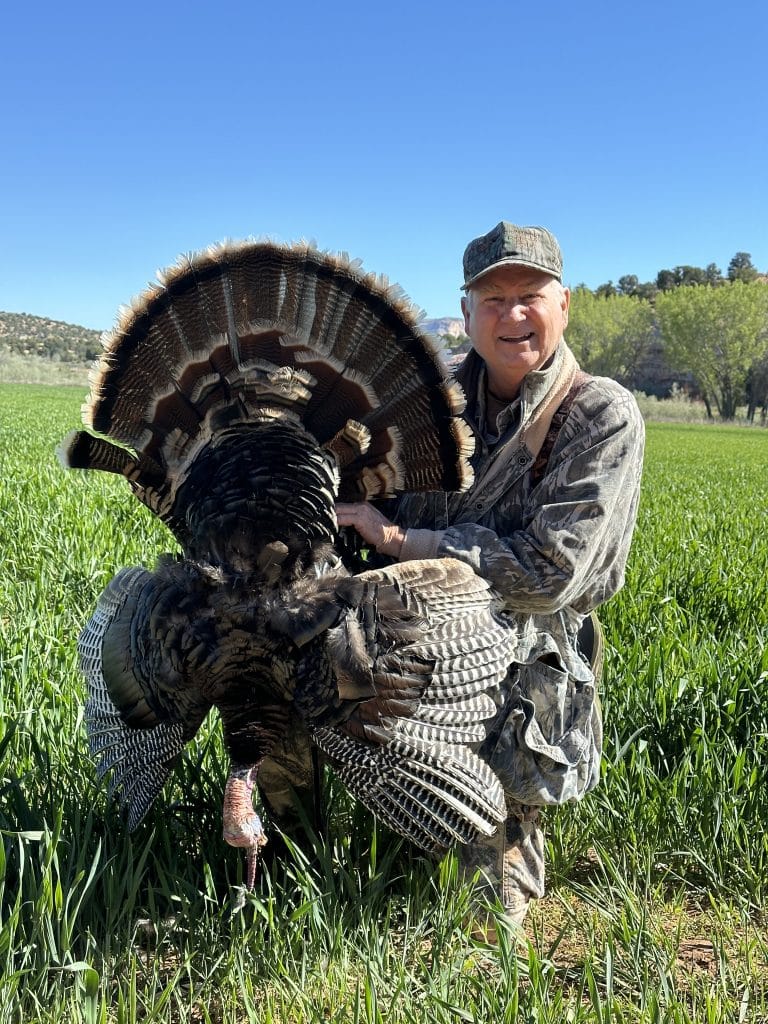
Weather & Seasonal Conditions on the Central Coast
The Central Coast’s mild climate means spring conditions are generally favorable for turkey hunting. However:
-
Rain-soaked fields can push birds to sheltered feeding areas
-
Windy days might make turkeys quieter and harder to locate
-
Calm, cool mornings tend to bring out the most vocal gobblers
Pay attention to changing weather forecasts and plan hunts around favorable windows to improve calling response rates.
Why Central Coast Outfitters Recommends Strategic Timing
Successful turkey hunting isn’t just about luck—it’s about being in the right place at the right time. Central Coast Outfitters combines local knowledge of terrain, turkey behavior, and seasonal patterns to help hunters maximize each outing. Whether you’re hunting solo or booking a guided trip, knowing when turkeys are most active gives you a real edge in the field.
Final Tips for Timing Your Turkey Hunts
-
Arrive before first light and plan to hunt the first 2–3 hours of the morning.
-
Scout fields and travel corridors a day or two before your planned hunt.
-
Use calls strategically—soft yelps early, louder cuts when birds respond.
-
Be patient! Gobblers often circle or hesitate before showing themselves.
Ready to Hunt? Plan Your Central Coast Spring Turkey Adventure
Spring turkey hunting on California’s Central Coast brings world-class opportunities for outdoor enthusiasts. By understanding when turkeys are most active, you’ll improve your chances of success and enjoy a more rewarding hunt.
Central Coast Outfitters is here to help you make the most of this incredible season. From guided trips to expert tips on timing and tactics, we’re your resource for unforgettable turkey hunting experiences.
Gear up, call smart, and get ready to make this spring your best turkey season yet!