
Chukar are among the most challenging and rewarding upland birds in the West. They live on steep, rocky slopes, run uphill when pressured and flush fast once they decide to fly. For hunters looking into chukar hunting in California, the Central Coast offers terrain that suits these birds well. This guide from Central Coast Outfitters covers the background, habitat, season and what to expect on a guided Central Coast chukar hunt.
 Chukar Partridge in California and Central Coast Habitat
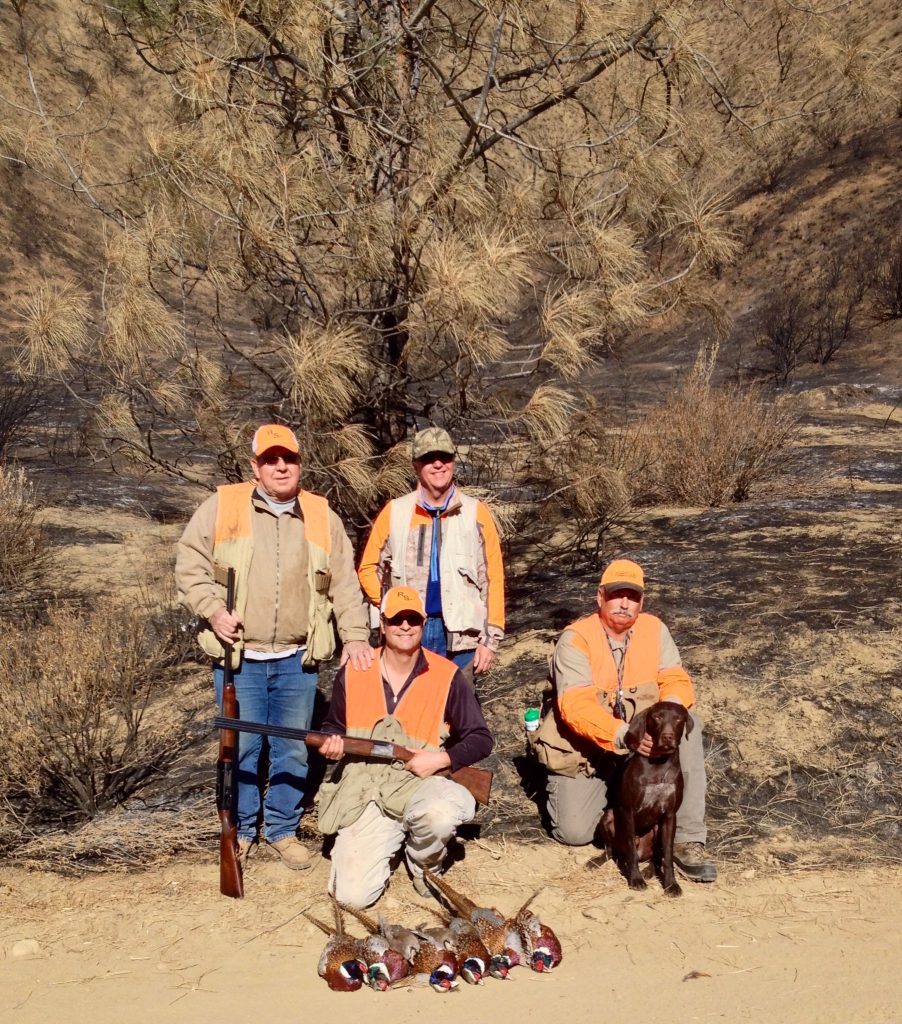 Chukar Partridge in California and Central Coast Habitat
Chukar partridge are not native to North America. They originate in Asia and parts of the Middle East and were introduced to the western United States as game birds, where they established populations in dry, rugged country. In California, chukar are found in arid and semi-arid regions with steep slopes, rock outcrops and open cover, and they have become a favorite of upland hunters who enjoy a physical challenge.
The Central Coast fits chukar well. Across San Luis Obispo, Monterey and Santa Barbara counties, the landscape includes steep hillsides, rocky ridges and chaparral-covered slopes broken up by grassy openings. Chukar use rocky areas for escape cover, grass and seed-producing plants for food and access to water during dry months. Where those elements come together, birds can thrive.
That combination is why the Central Coast is prime chukar country for hunters willing to climb. The terrain offers natural cover and food, while private ranch land can provide managed habitat and controlled hunting pressure. Compared with long drives into remote desert ranges, a Central Coast hunt combines good bird habitat with easy access to coastal towns, wineries and lodging, making it a convenient destination for hunters from across California.
Chukar Season, Terrain and Shooting Opportunities
California’s chukar season generally runs from fall into late January, with specific opening and closing dates, bag limits and regulations set each year by the California Department of Fish and Wildlife. Hunters should always check current regulations before planning a trip. Licensed game bird clubs and private land operations may offer additional flexibility, so ask your outfitter how season dates apply to their hunts.
Physical conditioning matters for chukar. The classic chukar experience involves hiking uphill, working along ridgelines and covering steep, uneven ground. Birds often run uphill and flush downhill, so hunters who approach from above usually get better shots. Good boots with ankle support, layered clothing for cool mornings and warm afternoons and plenty of water are essential. Taking breaks and pacing yourself helps you stay sharp when a covey finally flushes. Hunters who prepare with some hill walking or stair climbing in the weeks before their trip usually enjoy the day far more and shoot better when tired legs would otherwise slow them down. Trekking poles can also help on loose, rocky slopes.
The best shooting opportunities usually come when a covey flushes from rocky cover and sails across or down the slope. Chukar are fast and can quickly put distance between themselves and the hunter, so quick mounting and a smooth swing are key. Many hunters use an open-choke shotgun for close flushes and a tighter choke for longer shots. Working with trained bird dogs helps locate coveys and increases the number of quality shot opportunities over the course of a day.
 Guided vs. DIY Chukar Hunting and What a CCO Hunt Includes
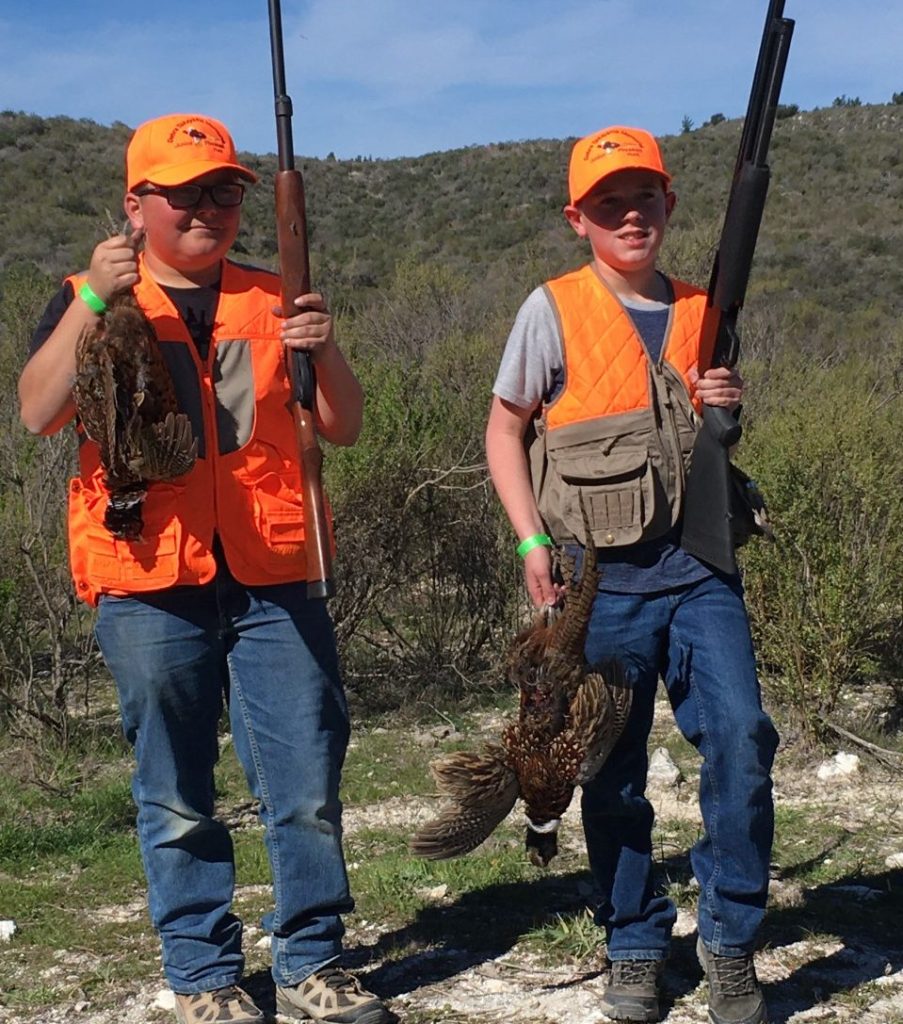 Guided vs. DIY Chukar Hunting and What a CCO Hunt Includes
DIY chukar hunting on public land can be rewarding, but it often means long days of scouting, heavy hunting pressure and uncertain results. Finding birds in unfamiliar terrain takes time, and access to good habitat is not always easy. For many hunters, especially those traveling to the Central Coast for a limited window, a guided pheasant and chukar hunt on private land makes far better use of their time.
A guided hunt on private land offers managed habitat, local knowledge and less competition from other hunters. Guides know where birds are likely to be at different times of day and how to approach them on the terrain. That experience can make the difference between a long walk and a productive day in the field. Many hunters also appreciate the safety and structure that come with hunting alongside an experienced guide.
A Central Coast Outfitters chukar hunt is built around that experience. Our pheasant and chukar hunts give hunters the chance to enjoy a mix of upland birds in a single outing. Our guides handle the logistics so you can focus on the hunt, and we can answer questions about dogs, gear and what to bring when you book.
You can also explore our California quail hunting options if you want to add another classic upland bird to your trip. Many of our upland hunters also ask about big game, including Tule elk hunting in California, which we offer on the Central Coast as well.
Conclusion
Chukar hunting on California’s Central Coast combines rugged terrain, fast-flushing birds and the satisfaction of earning every shot. With the right conditioning, gear and guidance, it is one of the most rewarding upland experiences in the state.