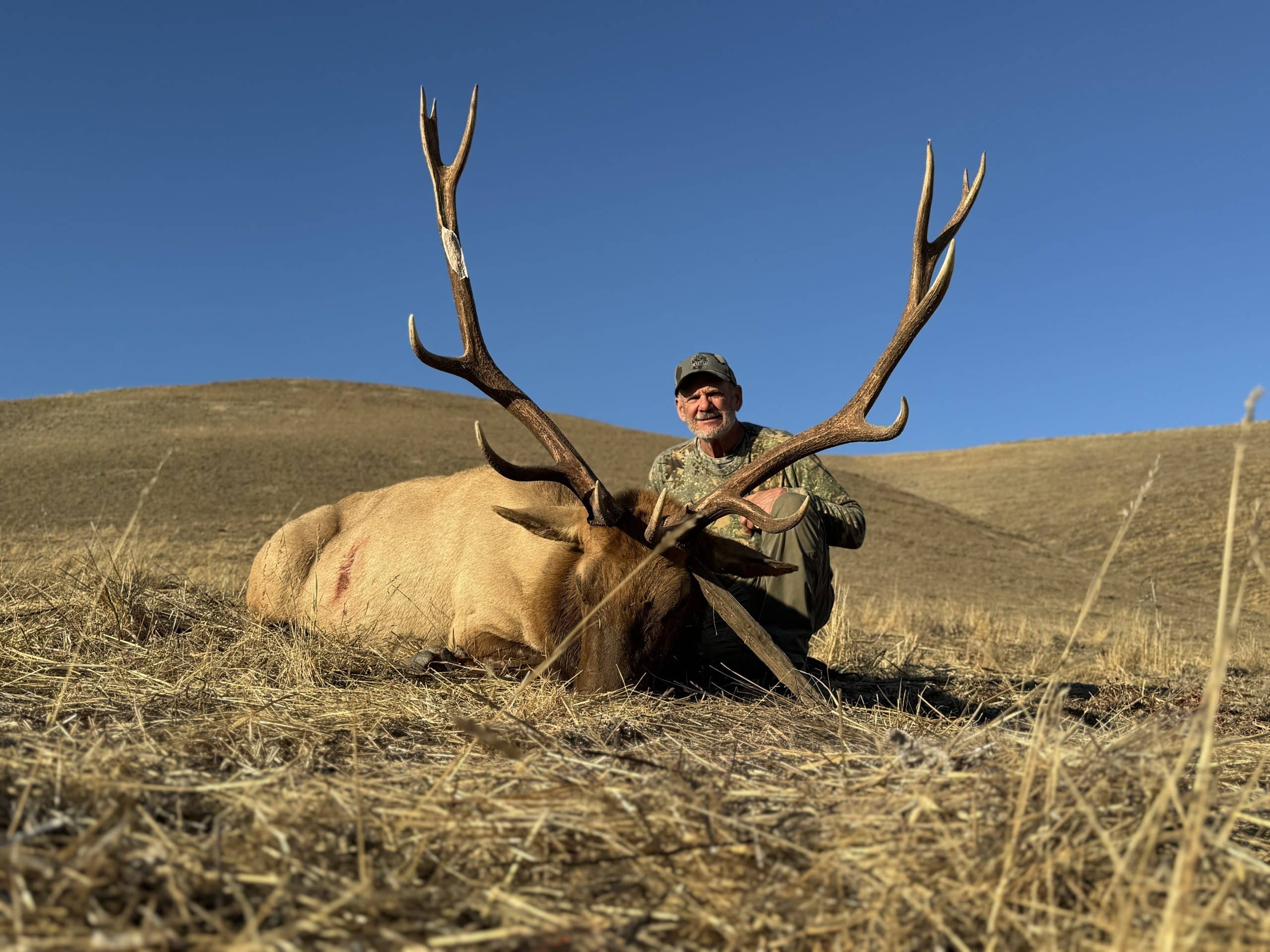
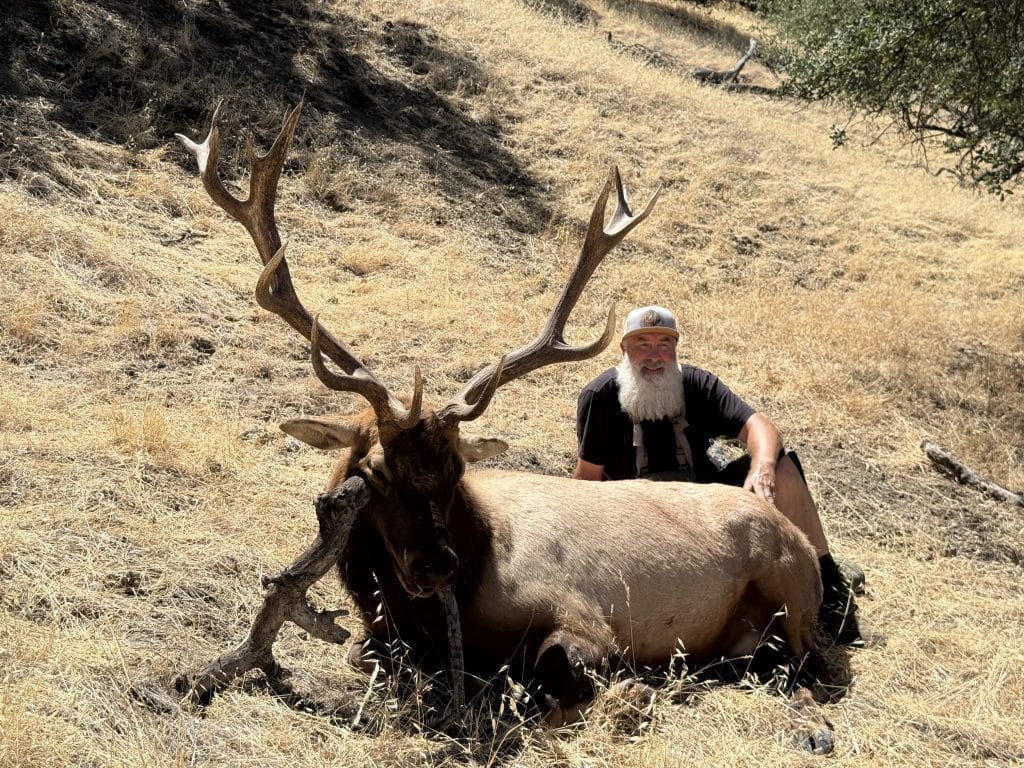
 California is home to two very different elk, and hunters planning a trip often do not realize how much they differ. Tule elk and Roosevelt elk vary in range, size, habitat, history and the way hunts are structured. If you are researching tule elk hunting in California, this guide from Central Coast Outfitters explains the differences and what they mean for your hunt.
Two Elk Species in California: Tule Elk and Roosevelt Elk
Tule elk are California’s native elk and are found nowhere else in the world. They once ranged across the Central Valley, coastal hills and grasslands of the state in large herds. During the 1800s, market hunting and the conversion of habitat to agriculture pushed tule elk to the edge of extinction, leaving only a tiny remnant population. Protection, relocation and restoration efforts over the following century brought them back, and today tule elk herds are found in many parts of the state, including the Central Coast. Their recovery is one of California’s notable wildlife conservation stories. Seeing a herd of tule elk moving across a Central Coast hillside is a reminder of how close the species came to disappearing.
Tule elk are adapted to open, drier country. On the Central Coast, they use oak woodland, rolling grassland and chaparral-covered hills, often feeding in open areas at dawn and dusk and moving into cover during the heat of the day. They are the smallest-bodied of the North American elk subspecies, but mature bulls carry impressive antlers and are a prized trophy precisely because tule elk are unique to California.
Roosevelt elk live in a very different world. They are found mainly in the wet coastal forests of far Northern California, especially in the redwood and Douglas fir country near the Oregon border. Roosevelt elk are the largest-bodied elk in North America, with heavy frames built for dense, rainy forest. Their habitat of thick timber, steep drainages and coastal fog creates a hunting experience that has little in common with pursuing tule elk in the open hills of San Luis Obispo or Monterey County.
Trophy Comparison and Hunting Season Differences
Body size is the most obvious difference. Roosevelt elk bulls are larger and heavier, while tule elk bulls are more compact. Antlers differ as well. Roosevelt elk often grow massive, heavy antlers, sometimes with crown-like tines at the top, while tule elk antlers tend to be lighter in mass but can still be long and well formed. Rather than comparing the two directly by score, many hunters see them as separate trophies, each with its own appeal.
The hunting experience also differs. Tule elk hunts in open country often involve glassing across hillsides, planning a stalk and making a shot at moderate distances. Roosevelt elk hunts in heavy timber tend to be closer-range and require careful movement through dense cover. Physical demands vary with terrain, but both reward patience, preparation and good shooting.
Seasons and access are structured differently for each species. Elk hunting in California is tightly regulated, with tags allocated through state draws for public zones and additional opportunities available on qualifying private lands. Season dates, zones and tag availability vary by species, area and year, so hunters should always review the current California Department of Fish and Wildlife regulations. Working with an outfitter that hunts private land can simplify the process and provide access to well-managed herds.
 Central Coast Outfitters, Peachtree Ranch and Tule Elk Conservation
 Central Coast Outfitters, Peachtree Ranch and Tule Elk Conservation
Central Coast Outfitters’ elk program centers on tule elk, the species native to our part of California. Our hunts take place in the Central Coast’s oak-studded hills and valleys, where tule elk thrive in the kind of open country that makes for a memorable spot-and-stalk hunt. Hunters interested in Roosevelt elk should ask our team about current options, and we can explain how those hunts compare to the Tule elk hunting opportunities on Peachtree Ranch.
Our roots are tied to Peachtree Ranch, and land stewardship is a central part of that history. Well-managed private ranches play an important role in conserving tule elk by maintaining habitat, water and forage while supporting carefully managed hunting. Regulated hunting helps balance herd numbers with available habitat, and hunters who participate contribute to the long-term health of the species. You can learn more about Central Coast Outfitters and Peachtree Ranch and the history behind our California hunting operation.
For hunters, that connection to conservation adds meaning to the experience. Taking a tule elk on the Central Coast is not just a trophy hunt; it is a chance to take part in the continuing recovery of an animal that was once nearly lost. Our guides share their knowledge of the land, the herd and the history behind it throughout the hunt.
Conclusion
Tule elk and Roosevelt elk are both remarkable animals, but they live in different landscapes and offer very different hunts. Tule elk are California’s native elk, found in open oak country and grasslands, while Roosevelt elk are larger animals of the dense northern coastal forests. Understanding those differences helps you choose the hunt that fits your goals.