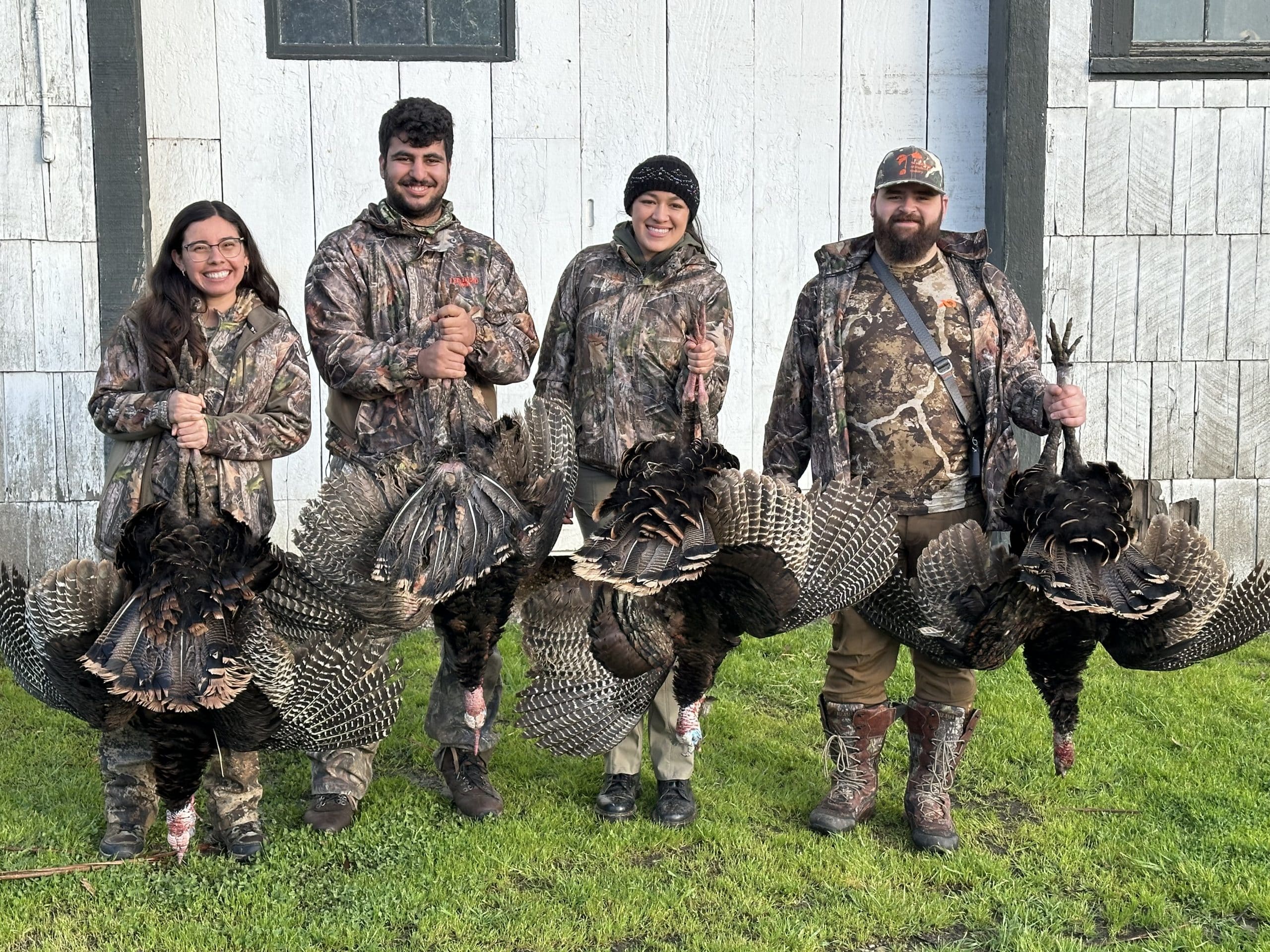
Finding birds in California’s vast golden hills needs a smart plan. At Central Coast Outfitters, we’re excited to share our expertise with you. Knowing where to look before the season starts makes hunting easier.
Turkey scouting is more than just driving around. It’s about listening for gobbles at dawn and spotting tracks on soft mud. We think thorough preparation is the key to a successful hunt.
Our guide aims to teach you the best California hunting strategies. You can also find some excellent hunting tips to improve your chances this year.
We’ll show you how to map out roosting sites and find food sources. Let us get you ready for an unforgettable adventure. We’ll teach you how to read the terrain and spot bird patterns effectively.
Understanding California’s Spring Turkey Season
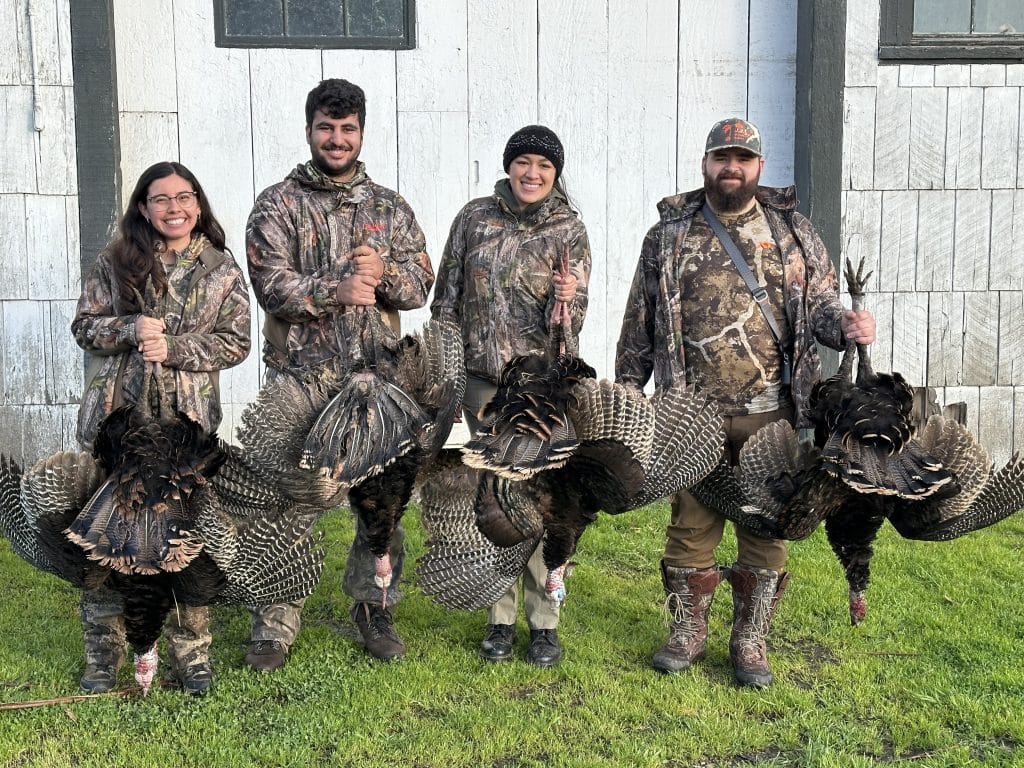
Knowing about California’s Spring Turkey Season is key to a good hunt. Spring is a time of new beginnings, and for hunters, it’s a chance to see turkeys more often.
The season usually starts in late March and ends in early May. But the exact dates can change by zone. It’s important to know the specific rules and dates for where you’ll hunt.
Regulations and Habitat
Rules are set to keep hunting fair and protect turkeys. Knowing these rules, like bag limits and licenses, is both legal and ethical.
The place where turkeys live is also important. They like areas with lots of food, like insects and seeds. They also need trees to roost in.
Timing and Turkey Behavior
The spring season matches the turkey’s breeding time. This is when gobblers are most active and vocal. Hens are also looking for mates, making them easier to call.
Knowing the best times to hunt in California’s Central Coast can help a lot. It gives you tips on how to hunt better.
Learning about California’s spring turkey season helps a lot. It covers timing, rules, and where turkeys like to be. This knowledge makes hunting more successful and fun.
Preparing to Scout for Spring Turkeys in California
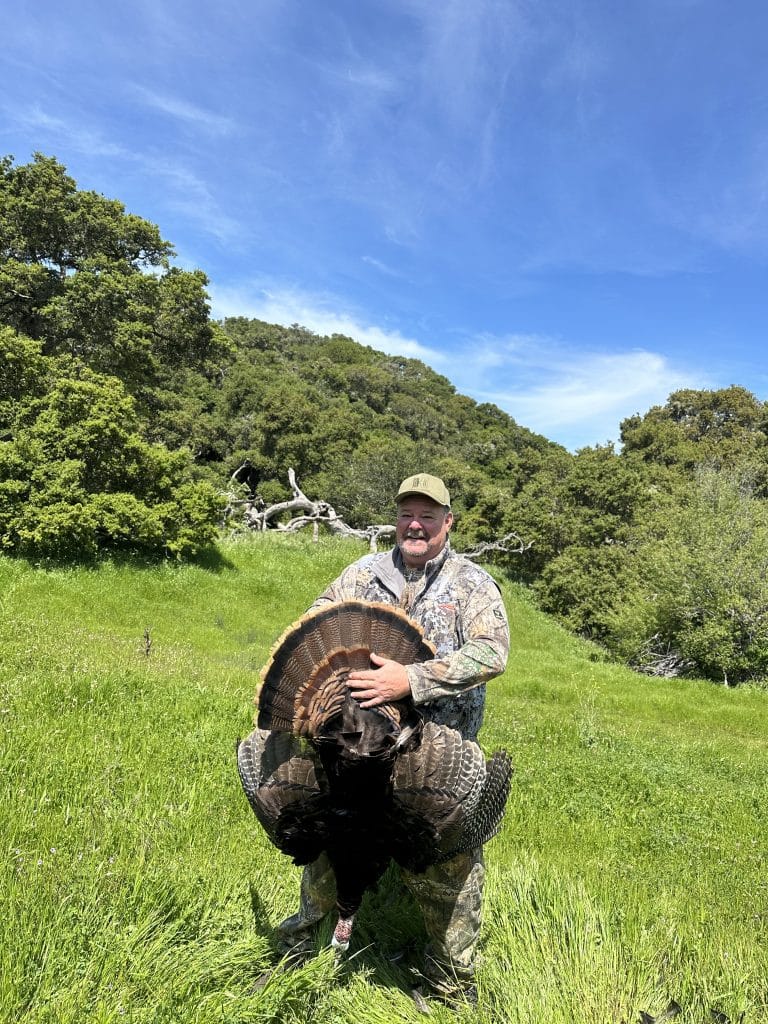
Getting ready for a turkey scouting trip in California is key to success. At Central Coast Outfitters, we know how crucial preparation is. First, you need to know the terrain you’ll be exploring.
Knowing the terrain means studying the area’s topography and vegetation. California’s varied landscapes, from dense forests to open fields, need different scouting methods. Use topographic maps and aerial views to spot turkey habitats.
Having the right gear is also important. You’ll need binoculars to watch turkeys from afar, a camera or field glasses for closer looks, and sturdy boots for different terrains.
Creating a scouting plan is just as crucial. Scout during early morning or late afternoon when turkeys are most active. Learning basic turkey calls can also help find birds.
If you’re new to spring turkey hunting, preparing for your first hunt means understanding turkey behavior in spring. This knowledge will make your scouting more effective.
Field Techniques for Locating Turkeys
Effective field techniques are key for hunters looking to find spring turkeys in California’s varied landscapes. We must learn to spot the signs turkeys leave behind.
Scratching Patterns and Droppings
Turkeys leave signs that show they’ve been around. Scratching patterns and droppings are especially telling.
Turkeys scratch the ground to find food, making unique patterns. These patterns are often seen in woodland edges, fields, and areas with rich soil and leaves.
Droppings are also a big clue. Turkey droppings look different from other birds’ due to their diet. Fresh droppings mean turkeys were there recently.
Feathers and Dusting Areas
Feathers and dusting areas show turkeys visit certain spots. Turkeys shed feathers, which can be found on trails, near roosts, or where they forage.
Dusting areas, where turkeys make shallow depressions to dust bathe, also indicate their presence. These areas are often revisited. Finding feathers or dusting evidence means turkeys have been there.
Evening Observation Methods
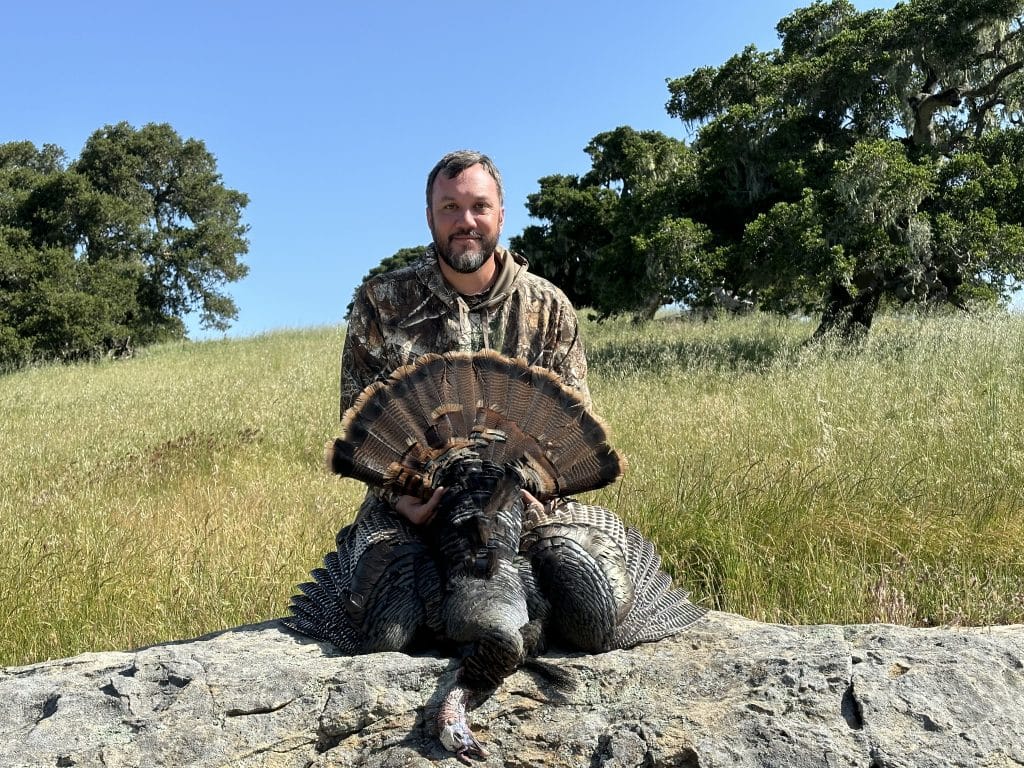
Watching turkeys in the evening can reveal their roosting habits. By seeing where they fly up to roost, hunters can find roosting sites.
This info is key for planning the next hunt. Turkeys often follow the same paths to and from their roosts. Evening observations need patience and a good spot to watch without being seen.
Morning Fly-Down Areas
In the morning, watching where turkeys fly down from their roosts is also helpful. These areas are often the same each day. Knowing these patterns helps hunters find the best spots.
By knowing roosting sites, fly-down areas, and other signs like scratching and droppings, hunters can find spring turkeys more easily.
Start Your California Turkey Hunt with Central Coast Outfitters
Now that you know how to find spring turkeys in California, it’s time to plan your hunt. At Central Coast Outfitters, we offer expert guided hunts for the California turkey hunt season. Our guides will help you navigate the terrain and boost your chances of a successful hunt.
We have years of experience with California’s wild turkeys. Our guided hunts are safe and fun for hunters of all levels. By choosing Central Coast Outfitters, you’ll have an unforgettable California turkey hunt.
To learn more about our guided hunts and plan your California wild turkey hunt, visit our website at Central Coast Outfitters. Our team is ready to help you make your hunting adventure in California the best it can be.